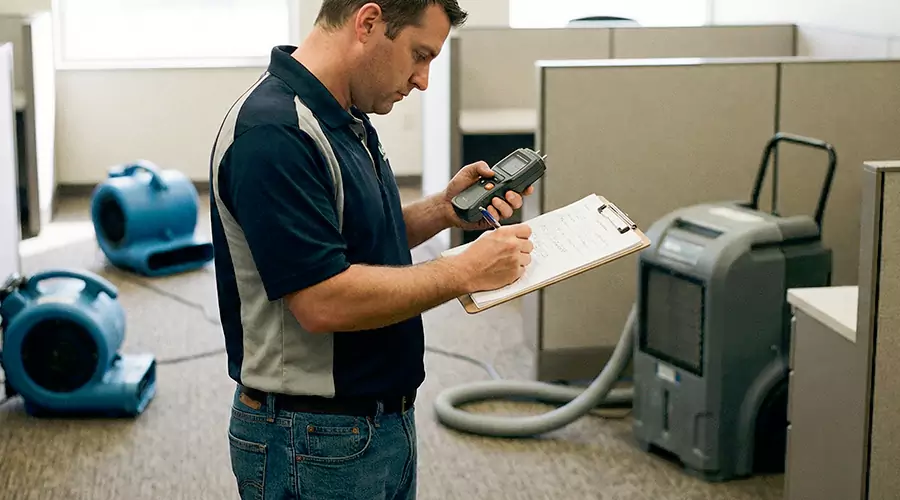




Water damage can be stressful — but how you prepare before your restoration team arrives can make a huge difference in the speed, effectiveness, and cost of the restoration process. Getting ready not only helps the professionals work more efficiently, it protects your belongings, strengthens your insurance claim, and speeds up recovery. Below is a step‑by‑step guide on what to do while you wait for the water damage restoration experts.
Safety is your number one concern after water damage occurs.
If water has reached electrical outlets, appliances, or wiring, turn off the power at the breaker box — but only if it's safe to do so from a dry location. Electrical hazards are a leading risk after water damage.
Do not walk through or touch standing water if you suspect electrical current or contamination, especially during Flood Cleanup, particularly with flood or sewage backups.
If you must enter affected areas, wear waterproof boots, gloves, and eye protection to reduce exposure to contaminants and hazards.
Identifying where the water is coming from can slow further damage.
Stopping the source of water helps limit the spread and reduces the amount of restoration needed.
Before restoration begins, thorough documentation is critical for your insurance claim.
Capture:
Video walkthroughs with narration can add context and clarity to your claim.
Save your photos/videos on your phone and upload backups to cloud storage so you won't lose them if your device is damaged.
Restoration pros will work more efficiently if valuables are protected or removed:
Relocate electronics, important documents, jewelry, and sentimental items to a dry, secure area away from the damaged zone.
For heavier items that can't be moved, place aluminum foil, wood blocks, or plastic under legs to prevent further water absorption.
Group soaked textiles or personal items into labeled plastic containers to make later evaluation easier.
Make it easy for the restoration team to get in and work efficiently:
Clear access helps the team begin right away without delays.
Increasing airflow can help reduce humidity and slow mold growth before professionals arrive, but only if there's no standing water and electricity is safe to use:
Do not use electrical equipment in standing water or if outlets are wet.
Good communication ensures the team arrives prepared and understands your priorities.
When calling the restoration company, share:
Restoration pros may ask about pets, access times, or unique household features like crawlspaces or basements to bring appropriate equipment and personnel.
Reporting the incident to your insurer as soon as possible helps streamline your claim:
Early reporting avoids delays and shows you took the situation seriously — often required by many insurance policies.
When the water damage restoration team arrives, their first priorities typically include:
Technicians assess the extent of the damage and classify the water type (clean, gray, or black).
They use moisture meters and thermal imaging to find hidden water behind walls or floors.
Powerful pumps and industrial vacuums remove standing water. Early water removal minimizes structural damage and mold risk.
Being prepared makes these first steps much smoother and faster.
Preparing for a water damage restoration visit isn't just about clearing space — it's about protecting your property, helping your insurance claim, and enabling professionals to do their job quickly and effectively. From ensuring safety and documenting damage to moving valuables and improving access, these early steps set the foundation for a successful restoration process.
Our certified experts are ready 24/7 to assist you with emergency restoration services.
GET A QUOTE